





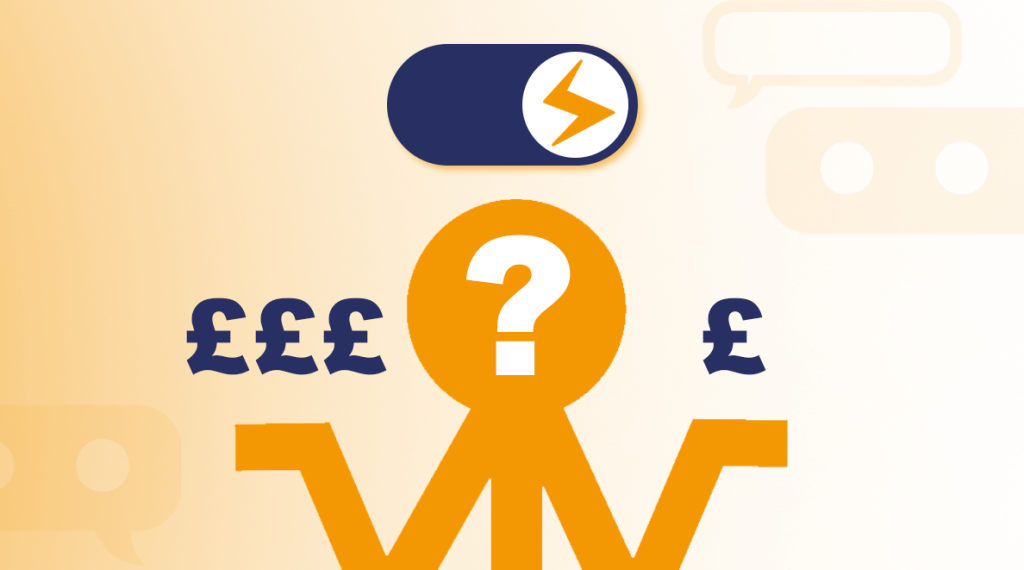
Finding a cheap deal is always a win – and nowadays, it’s easier than ever to compare prices online!
All you have to do is find an utility comparison website, compare a range of tariffs, choose the one that looks right for you and let the comparison website handle the switch.
But what happens when something goes wrong?
What if the estimated savings were inaccurate? Or the comparison site gave you information that turned out to be misleading?
In this situation you may feel stuck, because the comparison site isn’t necessarily the utility provider itself… So are they actually responsible for any mistakes?

Can I complain about a comparison website?
> SPOILER ALERT: Yes!
Depending on the issue, you absolutely can hold a comparison site accountable, as opposed to your utility provider. However, the distinction between who’s responsible for your complaint depends on what went wrong and who was responsible.
Read on to find out more!
 By the way, if you already have an unresolved Comparison Website Complaint…
UtilitiesADR offers a FREE, independent route to a resolution – approved by the Chartered Trading Standards Institute to settle non-regulated utility disputes across the UK, whether you’re an individual consumer or a business with over 10 employees.
What does a comparison website do?
Comparison websites allow consumers to compare different utility tariffs and, in many cases, arrange a switch to a new supplier to get a better deal.
They can make it easier to compare prices, standing charges, contract lengths, and other tariff information without having to contact individual suppliers.
However, a comparison website is not necessarily also your utility provider. They’re usually separate, independent businesses whose sole purpose is to show you what’s on the market.
This distinction is important to remember when something goes wrong.
 When can you complain about a comparison website?
You’ll usually have grounds to complain about a comparison website if the problem directly relates to the service or information provided by the website itself, rather than the actual services the utility provider is giving you.
For example, you could have a valid comparison site complaint if:
- The website gave you incorrect information about a tariff
- The estimated cost or saving was misleading or based on incorrect information
- Important information about a tariff wasn’t made clear
- You were told that a particular tariff or supplier was available when it wasn’t
- You were switched to a tariff or supplier you didn’t agree to
- You were charged a fee you weren’t expecting
- The website failed to complete a switch correctly after you instructed it to do so
- You were given incorrect information about cancellation or switching
- The service you received didn’t match what you were promised
The important question is what did the comparison website do, and what did you rely on when making your decision?
Comparison websites aren’t allowed to mislead consumers, or hide information (such as cheaper tariffs, or fees) to influence your choice on false premises.
Keeping a record of the information you were shown at the time of making your decision can be extremely useful proof later down the line if you do wish to raise a complaint about the comparison site – trust us, we run an ADR scheme that handles these!

When is the utility provider responsible?
Not every problem following a comparison-site switch is the comparison website’s responsibility.
For example, if the comparison website correctly arranged your switch but your new supplier then sent you an incorrect bill, the problem is likely to concern the supplier rather than the comparison service.
Before making a complaint, try to establish where the problem occurred!
 Was the problem caused by the comparison website, the switching process, or the utility provider?
Sometimes more than one organisation may be involved!

What if the estimated price or saving wasn’t what you expected?
One of the most common reasons consumers use comparison websites is to save money.
A website might tell you that switching could save you a particular amount over a year. But your actual costs may subsequently turn out to be different.
That doesn’t automatically mean the comparison website has done something wrong… After all, these are just estimates, and they can depend on the information you provide (such as your previous consumption, current tariff, and the assumptions used to calculate your future costs).
It’s therefore important to look beyond the headline figure.
Check:
- The unit rate
- The standing charge
- The estimated annual cost
- Whether the tariff is fixed or variable
- How long the tariff lasts
- Any exit fees
- Any conditions attached to the deal
- Whether the quoted saving is based on your actual consumption or an estimate
However, if you believe the website gave you a misleading representation of the deal, and this information convinced you to switch providers… You may still have a case for a complaint!
Make sure to complain directly to the comparison site using their official complaints process, and see what they say.

What if you were switched to the wrong supplier?
This can be particularly frustrating, because the whole point of comparison sites is that they’re supposed to make switching suppliers easy!
You may have selected one supplier through a comparison website but subsequently discovered that your account has been set up with another supplier, or that the tariff isn’t the one you expected.
Start by checking your confirmation emails and any documents you received when you completed the switch.
Look for:
- The supplier you selected
- The tariff you agreed to
- The date you agreed to the switch
- The rates quoted
- Any reference or confirmation number
- Any terms and conditions you accepted
If the comparison website made an error, raise the complaint with them directly!
If the supplier made an error after receiving the switching request, you may need to complain to the supplier instead.
 How do you complain about a comparison website?
The first step should normally be to complain directly to the comparison website.
Check its website for its complaints procedure and explain clearly what happened.
A useful complaint should include:
What happened:
Explain the problem in chronological order.
What you were told:
Include the tariff, price, saving or other information you were given.
What you expected:
Explain what you believed you were agreeing to.
What actually happened:
Set out what went wrong and any financial or other impact.
What you want to happen:
For example, you might be seeking a correction, reimbursement, compensation or another appropriate remedy.
Keep copies of your correspondence and any supporting evidence just in case!

What evidence should you keep?
Comparison websites can change their prices, offers and information, so evidence can be particularly important in this case.
If possible, keep:
- Screenshots of the comparison results
- Emails confirming your selection
- Confirmation of the switch
- Quotes or tariff information
- Terms and conditions
- Copies of bills
- Bank statements showing payments
- Records of phone calls
- Names of people you’ve spoken to
- Dates and times of conversations
- Any complaint reference numbers
If you took a screenshot showing a particular tariff or saving, that could be especially useful if the information displayed on the website has subsequently changed.
 How can UtilitiesADR help?
UtilitiesADR is a free-to-use independent Alternative Dispute Resolution scheme that considers non-regulated complaints between consumers and participating utility providers. We’ll review the information and evidence provided by both parties before reaching an impartial decision… All within 60 Days of declaring a Complete Complaint File!
We offer 3 ways for you to submit your complaint to us, all of which are completely FREE:
Not sure what the difference between regulated and non-regulated utility complaints is? Please see our dedicated article on this: Regulated VS Non-Regulated Utility Complaints: What’s the Difference?
Want to learn more about your Consumer Rights? Follow our social media platforms below!